
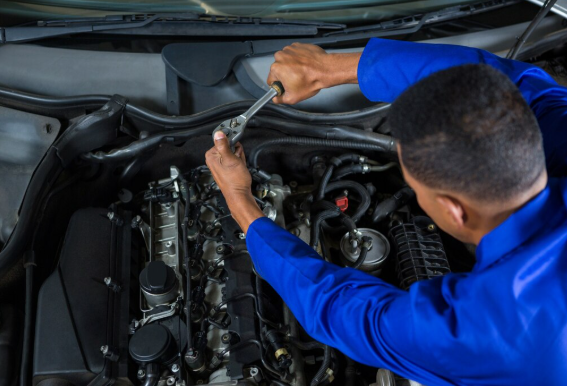
Dashboard warning lights are your vehicle’s way of asking for attention. Some alerts may indicate a minor issue, while others signal a problem that can quickly lead to costly damage, unsafe driving conditions, or a complete breakdown. Ignoring a serious warning light and hoping it disappears is often a gamble that does not pay off.
Knowing when to contact a car mechanic can help protect your vehicle, your wallet, and your safety. Here are the dashboard warning lights that should never be left until next week.
Car Mechanic Advice: The Red Warning Lights You Should Never Ignore
As a general rule, red dashboard lights require immediate attention. They often indicate a serious malfunction affecting a critical system. Continuing to drive may worsen the problem or create a safety risk.
A car mechanic can determine whether the problem is related to low oil levels, a leak, a blocked component, or another mechanical fault.
| Warning light | What it may indicate | What to do |
|---|---|---|
| Engine oil pressure | Low oil pressure or lubrication failure | Stop safely and switch off the engine |
| Engine temperature | Overheating or cooling system problem | Pull over and allow the engine to cool |
| Brake system | Brake fluid, hydraulic, or braking issue | Avoid driving until inspected |
| Battery or charging system | Charging failure or electrical problem | Arrange a mechanical inspection promptly |
A warning light does not always tell the whole story, but it should never be treated as decoration. When in doubt, it is better to play it safe than to learn the hard way.
Engine Warning Lights That Require Prompt Mechanical Inspection
Low Oil Pressure Warning
Oil is essential for lubricating the moving components inside an engine. When oil pressure drops, metal parts may begin rubbing against each other without sufficient protection.
If the oil pressure warning light appears while driving, pull over as soon as it is safe to do so and turn off the engine. Continuing the journey could cause severe internal damage in a surprisingly short time.
Engine Overheating Warning
An overheating engine is another issue that should not be put on the back burner. The warning may indicate a problem involving the cooling system, coolant level, circulation, or another component responsible for regulating engine temperature.
If the temperature warning appears:
- Pull over safely.
- Turn off the engine.
- Allow the vehicle to cool completely.
- Avoid opening hot components immediately.
- Have the cooling system inspected before driving again if necessary.
Trying to push through an overheating problem can turn a relatively manageable repair into an expensive engine rebuild.
Brake Warning Lights: A Safety Issue That Cannot Wait
Your braking system is one area where taking chances simply is not worth it. A brake warning light may indicate several problems, including:
- Low brake fluid
- A hydraulic system issue
- Worn braking components
- A parking brake that has not fully released
- Another fault affecting braking performance
If the warning light remains on or is accompanied by unusual pedal behaviour, grinding noises, vibrations, or reduced stopping power, stop driving as soon as possible.
A prompt inspection by a qualified professional can identify the cause before the situation becomes more dangerous. After all, brakes are not something to cross your fingers about.
When a Car Mechanic Should Check the Battery Warning Light
The battery-shaped warning light usually relates to the charging system rather than simply indicating that the battery needs replacing. It may point to a problem with electrical connections, the charging process, or another part of the system.
You may also notice additional symptoms, such as:
- Dim or flickering lights
- Difficulty starting the vehicle
- Electrical accessories behaving unpredictably
- Multiple warning lights appearing at once
If the charging system fails completely, the vehicle may eventually lose power and stop running. Having the issue checked promptly can help you avoid being stranded when you least expect it.
Flashing Engine Warning Lights Need Immediate Attention
Not every engine warning is equally urgent. However, a flashing engine-related warning light can indicate a serious fault that requires immediate attention.
In some cases, continuing to drive may cause further damage to the engine or exhaust system. Rather than waiting to see whether the light disappears tomorrow, reduce driving and arrange a professional diagnosis.
Modern vehicles rely on numerous sensors and electronic systems, so guessing the cause can send you down the wrong road. A proper diagnostic inspection is usually the fastest way to understand what is happening.
Strange Symptoms Alongside Dashboard Warning Lights
A warning light becomes even more concerning when it appears alongside unusual changes in the way your vehicle behaves. Watch out for:
- Loss of power or acceleration
- Smoke or unusual smells
- Loud knocking or grinding sounds
- Steering difficulties
- Strong vibrations
- Fluid leaking beneath the vehicle
When these symptoms occur, continuing to drive can be like adding fuel to the fire. Pulling over and seeking professional assistance may prevent a minor issue from snowballing into a major repair.
Don’t Let a Small Warning Become a Major Repair
Dashboard warning lights are designed to give drivers an early opportunity to respond to potential problems. While some alerts may be less urgent than others, red warnings, flashing engine lights, overheating, braking issues, and oil pressure problems deserve immediate attention.
The sooner a fault is diagnosed, the better your chances of preventing additional damage and keeping repair costs under control. Instead of waiting until next week and hoping for the best, listen to what your vehicle is trying to tell you.
For timely diagnostics, reliable repairs, and professional vehicle care when a warning light appears, contact Signature Auto Care and let an experienced car mechanic get you safely back on the road.

