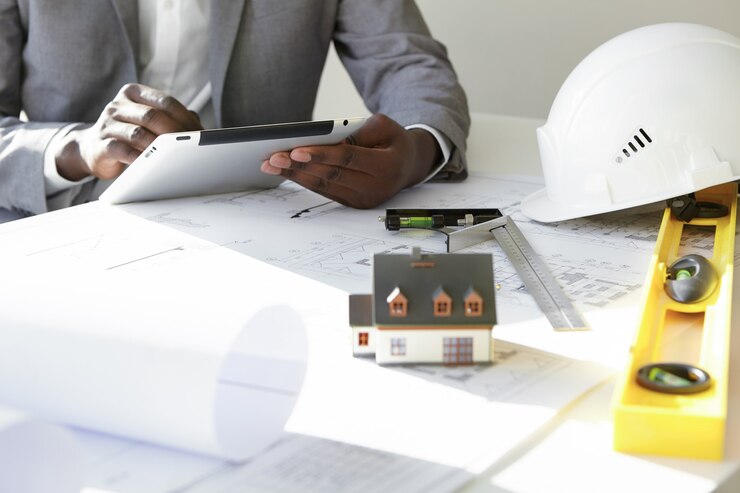
Undertaking a home addition project can be an exciting opportunity to enhance your living space while increasing your property’s value and functionality. However, the success of such a project relies heavily on careful planning and execution. From setting clear goals to selecting the right contractors, each step plays a critical role in ensuring that your addition meets your needs and complements your existing home. In this guide, we will outline essential strategies for planning a successful home addition, helping you navigate the complexities of design, budgeting, and construction.
Define Your Goals for the Home Addition
Before diving headfirst into your project, it’s essential to define clear objectives. This stage serves as the foundation for your entire endeavor. Start by asking yourself:
- What purpose will the addition serve? Is it for a guest suite, an expansive living area, or perhaps a peaceful home office?
- How do you envision the space? Do you prefer a contemporary open-concept layout, or are you inclined towards designs that harmonize with your current home style?
- What are your long-term intentions? If you plan to sell your property soon, focus on modifications that enhance resale value; otherwise, tailor the new space to fit your lifestyle.
Create a Responsible Budget
To navigate any home addition successfully, establishing a realistic budget is crucial. Here’s how to break down your finances:
- Design and Architecture Costs: If your addition necessitates custom designs or architectural services, these expenses must be included in your budget.
- Materials and Labor: Research costs associated with building materials and labor charges. Remember, the materials you select (like wood, brick, or steel) can heavily impact the final bill.
- Permits and Fees: Don’t overlook the costs tied to permits, inspections, and potential Homeowners Association (HOA) approvals.
- Unexpected Expenses: It’s wise to reserve approximately 10-15% of your budget for unforeseen costs. Construction often comes with surprises!
Design and Layout Considerations
Next, focus on the design and layout of your addition. To ensure the new space complements your existing home, think about:
- Professional Consultation: Engaging with a designer can help you create a coherent design that honors your home’s character.
- Flow and Connectivity: Consider how the addition will interact with current spaces. A transparent transition is key for a functional layout.
- Natural Light: Incorporate large windows and open spaces to maximize light and enhance the ambiance of your new area.
Understanding Zoning Laws and Permits
Before construction kicks off, it’s imperative to verify local zoning laws and secure necessary permits. Skipping this vital step could lead to fines or project delays. Here are the steps to follow:
- Zoning Requirements: Familiarize yourself with how far your addition can extend from property lines.
- Building Permits: Most additions require these permits to ensure compliance with local building codes.
- HOA Approval: If applicable, check that you have the go-ahead from your HOA.
Selecting the Right Contractors
Your contractor will be instrumental in turning your dreams into a reality. Here’s how to make the best choice:
- Research: Gather referrals from friends or online reviews to find reputable contractors with experience in home additions.
- Verify Qualifications: Check licenses, insurance, and history in home additions.
- Multiple Quotes: Secure estimates from various contractors to compare prices and services offered.
Plan for Disruption and Timeline
Home additions can disrupt your daily routine, particularly if you’re living in the home during construction. That’s why setting realistic timelines is essential. Consider:
- Construction Length: Understand that most home addition projects generally take months to complete.
- Communicate with Your Contractor: Stay updated on progress and be ready to address any issues that arise.
Final Touches: Picking Materials
Choosing appropriate materials is crucial for durability and aesthetics. Look for high-quality options that balance beauty with low maintenance:
- Natural choices like wood and stone add warmth but may require upkeep.
- Engineered products can offer consistency with less maintenance effort.
- Sustainable materials, such as bamboo, are also worth considering for their eco-friendliness.
Following these steps can position you for a successful home addition project that not only meets your immediate needs but also enhances your living space for years to come. If you need expert assistance throughout this journey, remember to contact Clear Drafting for top-notch services tailored to your home renovation needs.


